


Signs Your Electrical Panel Is Whispering (or Screaming) for Help
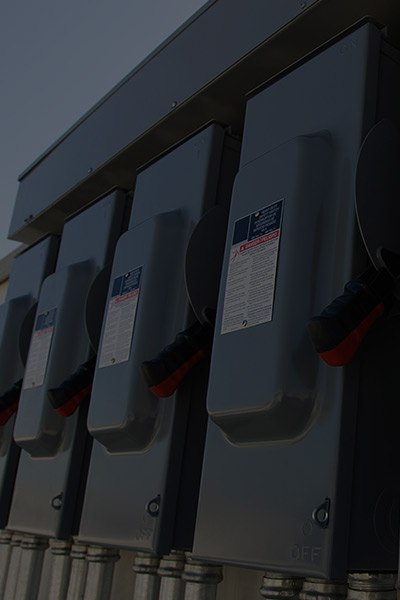
In many Massachusetts homes, the electrical panel works silently in the background until it doesn’t. When your system starts sending warning signals, it’s your cue to act before nuisance shutdowns become a safety risk. If you’re noticing unusual smells, sounds, or performance issues, it may be time to explore panel upgrades that restore stability and peace of mind.
Older New England houses, coastal humidity, and long, stormy winters can stress wiring and breakers. Add today’s power-hungry appliances, EV chargers, and heat pumps, and even a “fine yesterday” panel can be overloaded tomorrow. Here are the signs your panel isn’t keeping up and what to do next.
Burning Smells Are Not Normal
If you catch a hot, plasticky, or smoky odor near your panel, outlets, or baseboards, that’s a serious warning. Heat can come from loose connections, failing breakers, or overloaded bus bars that are struggling to carry the load.
If you smell burning at the panel, don’t open it, don’t reset breakers repeatedly, and call a licensed pro right away. Heat damage can escalate quickly and may continue even if things look “back to normal” after a breaker cools down. A qualified electrician can test for hot spots, tighten or replace compromised components, and determine whether the panel itself has reached the end of its safe service life.
Discolored Paint or Scorch Marks on the Panel Door
Yellowing paint, brown halos, or soot-like streaks around the panel door point to sustained heat or arcing inside the cabinet. That discoloration doesn’t happen overnight. It often means the panel has been running hot for weeks or months, slowly cooking paint and drying out insulation.
Surface clues matter. Even if your breakers still switch on, hidden damage can include brittle insulation, pitted lugs, and a stressed bus that won’t reliably grip new breakers. An electrician will remove the cover, document the conditions, and decide if repairs are safe or if a full replacement is the smarter path for long-term reliability.
Crackling, Popping, or Sizzling Sounds
Electricity should be quiet. Any crackling or sizzling from the panel suggests arcing, which is when electricity “jumps” through air because of a loose or failing connection. That arc creates heat and carbon tracks that make the problem worse over time. You might hear it more on damp days, when moisture makes weak spots reveal themselves.
Sounds like these are a stop-what-you’re-doing signal, not background noise to ignore. A pro will check the torque on terminals, evaluate the condition of breaker contacts, and verify the panel’s ampacity and grounding to ensure the system can handle your home’s real-world load.
Lights Flicker When the Vacuum or Microwave Starts
Short, minor dips when a motor starts can happen. But if lights dim noticeably or flicker every time you start a vacuum, microwave, or space heater, it points to a voltage drop or high starting current on circuits that are already strained. It may also indicate that your main panel doesn’t have the capacity or that branch circuits share too much sensitive lighting.
In Massachusetts homes with long runs to second- or third-floor rooms, voltage drop shows up first as blinking or pulsing lights when big appliances kick on. An evaluation can reveal whether better circuit separation, a subpanel, or a right-sized main panel will calm those sags for good.
Other Red Flags That Build Over Time
Some issues whisper for a while before they get loud. Watch for:
- Breakers that feel warm to the touch after light use.
- Rust, condensation, or a musty smell in the basement or coastal locations.
- Buzzing that changes pitch when major appliances cycle.
- Frequent nuisance trips that follow a pattern (for example, evenings or during laundry).
- Panels labeled for old loads, but the home now has EV charging, electric heat, or a finished attic.
Any one of these may feel small. Together, they tell a story about capacity and safety that a pro can confirm with testing and load calculations.
How Pros Diagnose Panel Trouble Without Guesswork
Good electricians don’t rely on hunches. They use instruments and a step-by-step process to pinpoint what’s wrong and why it’s happening. Here’s what a professional assessment typically includes:
- A visual and thermal scan to spot heat, corrosion, or signs of arcing.
- Torque checks and verification of conductor size, breaker type, and bus condition.
- Grounding and bonding verification so protective devices can work properly.
- Realistic load evaluation based on your actual appliances and lifestyle.
- Clear recommendations that separate immediate safety issues from long-term upgrades.
Never spray water, paint, or cleaning products on your panel cabinet or inside the enclosure. Moisture and residues can corrode metal parts and create shock hazards that don’t show up until later.
Massachusetts weather swings are tough on electrical gear. Damp basements after nor’easters and salt air along the coast can speed up corrosion inside panels. A quick check before the deep-freeze or a summer heat wave can catch small issues before heavy seasonal loads magnify them.
Why This Matters in Massachusetts Homes
Many homes across the Commonwealth were wired long before today’s appliances, smart devices, and comfort upgrades. Two- and three-family houses, older colonials, and beach cottages may still rely on panels designed for a different era. As families add induction ranges, mini-split heat pumps, tankless water heaters, or EV chargers, the electrical backbone has to grow too.
Upgrading at the right time reduces nuisance trips and protects sensitive electronics from low-voltage events. It also positions your home for future projects, so you’re not paying twice to rework the same infrastructure when you renovate a kitchen, finish a basement, or install backup power.
Burning Smell vs. “New Breaker” Smell
New equipment sometimes off-gasses a mild odor for the first few hours as factory residue burns off. That’s normal for certain appliances. It’s not normal for the panel. A hot, sharp, or persistent “electrical” smell at the panel location deserves attention. If that odor appears after a storm or after repeated breaker resets, your system is waving a red flag.
Discoloration: Heat, Not Just Age
It’s easy to blame aging paint, but true heat blemishes follow a pattern. You’ll often see a halo around the door or streaks where warm air has vented past the cover. Inside, you may find darkened insulation or a breaker that looks different from its neighbors. Because heat-related damage compounds, techs often recommend replacement rather than piecemeal fixes when a panel shows multiple symptoms.
Crackling Sounds and What They Mean
Crackling isn’t a mysterious sound; it’s the sound of electricity taking the wrong path. Loose terminations, mismatched breakers, or a fatigued bus can all produce micro-arcs that you can hear in a quiet room. Those micro-arcs generate carbon that further weakens the connection, which makes the noise and heat worse. Addressing the root cause early can prevent a sudden outage at the worst possible time.
Flicker When the Vacuum Starts: Normal or Not?
Many vacuums and microwaves draw a quick burst of power at startup. One tiny blip can be okay. But if your kitchen or living room lights fade noticeably, or flicker every time a motor kicks in, it signals poor capacity or circuit design. In older Massachusetts homes with long feeder runs or shared lighting and appliance loads, the fix might be a dedicated circuit—or it may point to a main panel that’s past its prime.
Smart Timing: When To Consider an Upgrade
Don’t wait until a failure forces your hand. If you’re planning a kitchen remodel, finishing a third floor, or adding electric heat, timing a panel upgrade with those projects can simplify permits, streamline scheduling, and minimize disruptions. Homeowners adding garage EV charging or backyard hot tubs also benefit from right-sizing the service before installation day.
When a pro confirms that capacity is tight or components are heat-stressed, the next step is discussing modern solutions such as AFCI/GFCI protection where appropriate, better circuit separation, and clean, labeled panel layouts. To see what this looks like in practice, explore your options for upgrading the electrical panel so your home is ready for new loads without constant flicker or trips.
Choose a Partner You Can Trust
You deserve a clear explanation, safely executed work, and a tidy finish. That’s where Electrical Service Pros Inc. comes in. When you reach out, you’ll talk with a knowledgeable team that listens first and recommends only what your home truly needs. If you’re comparing contractors, look for a licensed, insured Massachusetts electrician with a track record of neat workmanship and responsive service.
From older colonials in inland towns to coastal cottages, our team brings practical experience with the wiring quirks common across the state. We’ll assess your goals, map out a plan that supports future projects, and handle the details so you can get back to normal quickly.
Think your panel is sending warning signals? Call Electrical Service Pros Inc. at 413-642-6626 and we’ll help you protect your home with a safe, code-conscious solution. If you’ve noticed burning smells, crackling sounds, or lights dipping when big appliances start, don’t wait—get expert eyes on it today.